
"forest coffee"
15000 article(s) found

What are the coffee bean producing areas? an analysis of the coffee producing areas in Ethiopia
Ethiopian producing areas, generally speaking, Ethiopian coffee producing areas can take the East African Rift Valley as the demarcation point and evolve separately. To the west of the Great Rift Valley, that is, the western half of the famous producing areas from north to south, including Zege in Lake keTana in the northwest of the capital, and Gimbi and Li in the west of the capital.
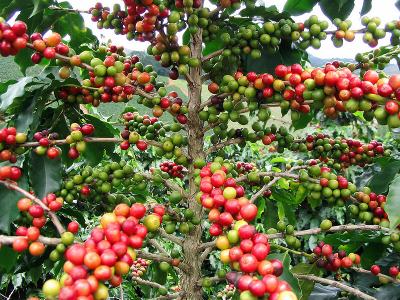
Fine coffee beans: 4 forms of Ethiopian coffee growing and producing
Growth and production patterns: There are four growth and production patterns in Ethiopia, from which 95% of coffee is produced. 1. Forest In Ethiopia's coffee-producing areas in the south and south-west, most of them are wild or planted under natural forests, which provide natural shade for coffee trees, but the resistance is slightly weak. This production system accounts for about

South of South Minas, Brazil. Does the forest manor in the town of Camo go to peel and bask in the flavor of Kaduai?
Professional coffee knowledge exchange more coffee bean information please follow the coffee workshop (Wechat official account cafe_style) South South Minas, Brazil | Camo Town Forest Manor peel sun Kaduai flavor? Brazil is currently the world's largest coffee producer, with a total output of 48.095 billion bags, surpassing the global output of 1% of the world's total. Brazilian Fine Coffee Association (BSCA) is committed to
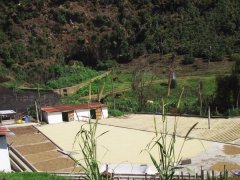
Valma Manor Kaddura Koban Rain Forest Coffee, Guatemala A hundred-year-old Valma family
For the exchange of professional baristas, please follow the Coffee Workshop (official Wechat account cafe_style) Manor Valma is located in the Copan region of Guatemala, a perfect producing area with steep mountains, verdant rain forests and charming floral scent, including an unspoiled natural environment and a unique microclimate. The comparison between the high-altitude mountains and the high-humidity tropical rain forest makes the place more humid.

Four forms of growth and production of Ethiopian Coffee in Coffee producing area
Growth and production patterns: there are four growth production patterns in Ethiopia, and 95% of coffee is produced from these types or systems. 1. Forest grows in southern and southwestern Ethiopia, mostly wild or under natural forests. It provides natural shade for coffee trees, but the resistance is slightly weak. This production system accounts for about

│ Mexican Coffee Manor-Triumph Manor & Native Forest Coffee in Chiapas Coffee, Mexico
Professional baristas please pay attention to the Coffee Workshop (official Wechat account cafe_style). Not only in Mexico, where the Triumph Cooperative is located, but also in terms of species ecological diversity, it is among the best in the world. Coffee trees planted in shade (Shade Grown) are not only one of the characteristics of triumphant farmers' cooperatives, but also fair.

Apart from Yega Xuefei, what other producing areas in Ethiopia? the whole introduction of Ethiopian coffee producing areas.
Professional coffee knowledge exchange more coffee bean information please follow Coffee Workshop (Wechat official account cafe_style) [Ethiopian Coffee producing area] there are nine major coffee producing areas in Ethiopia:, Sidamo, Yegashifi, Hara, Gemma, Lim, Irubarb, Kinby (Lekanti), Tibby, Becca. Among the nine major coffee producing areas in Ethiopia, nothing is more famous than
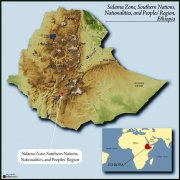
The birthplace of coffee beans, the producing areas and stories of Ethiopian boutique coffee beans.
The Federal Democratic Republic of Ethiopia (The Federal Democratic Republic of Ethiopia), or Ethiopia for short, is a country located in northeast Africa. It is bordered by Djibouti and Somalia to the east, Sudan and South Sudan to the west, Kenya to the south and Eritrea to the north. The plateau accounts for 2% of the country's area, with an average elevation of nearly 3000 meters.
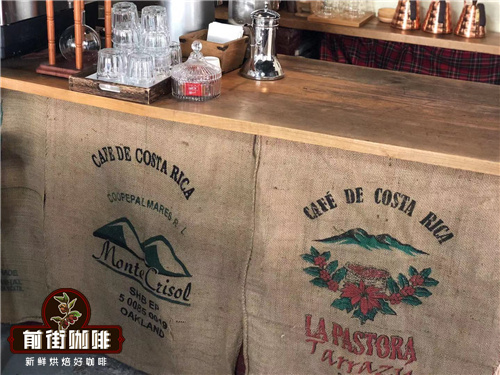
The characteristics and Flavor of Ethiopian Coffee beans the Origin and Story of Yegashifi and Sidamo Coffee
Professional coffee knowledge exchange more coffee bean information Please follow Coffee Workshop (official Wechat account cafe_style) Coffee birthplace Ethiopia is located in East Africa, and there are as many as 5,000 wild coffee bean varieties found in the forest in the southern Kaffa region alone. It is generally believed that Ethiopia is the source of coffee

Introduction to Ethiopian coffee producing areas? But the introduction of Bena forest sun beans?
Professional coffee knowledge exchange more coffee bean information please pay attention to coffee workshop (Wechat official account cafe_style) Ethiopia is the country where coffee was first discovered. It is still the most important producing country and the best in terms of coffee quality and output. Most coffee is the traditional Arabica species, with an annual output of about 350000 tons and more than 70% exported to countries around the world.

Introduction to the Coffee Story of Suke Quto Farm in Ethiopia. Is the coffee good?
Professional coffee knowledge exchange more coffee bean information follow Coffee Workshop (Wechat official account cafe_style) Suke Quto Farm after a forest fire, in order to protect the forest, Tesfaye founded Suke Quto Farm, which is currently certified by the Organic and Rainforest Alliance. It is possible to protect forests by distributing coffee and shade saplings in local communities.
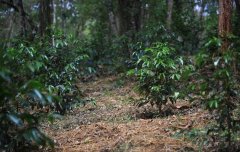
Ethiopia single Manor Plan Ethiopia Coffee Manor-Kafabita Manor
For the exchange of professional baristas, please pay attention to the coffee workshop (Wechat official account cafe_style) Bita Manor is located in the Kafa forest area in southwestern Ethiopia. To this day, the Kafa forest still maintains the forest appearance of the traditional Ethiopian primitive forest, while retaining a considerable number of native coffee varieties. Many cup testers who have tested the Kafa producing area agree that there are quite a few in this area.
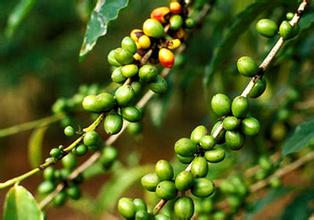
Introduction to the characteristic flavor of four forms of Ethiopian coffee beans grown and produced in Ethiopia coffee
Growth and production patterns: there are four growth production patterns in Ethiopia, and 95% of coffee is produced from these types or systems. 1. Forest grows in southern and southwestern Ethiopia, mostly wild or under natural forests. It provides natural shade for coffee trees, but the resistance is slightly weak. This production system accounts for about
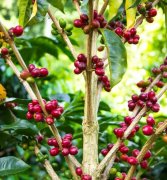
Introduction to Export Information of Coffee planting methods in Ethiopia
Ethiopian coffee can be classified according to the way it is grown and processed. 1. According to the planting mode, coffee can be divided into three types: forest-semi-forest coffee, courtyard coffee and plantation coffee. (1) 60% of the coffee belongs to forest-semi-forest coffee. In such a wild coffee forest, pesticides are not used at all, but biological prescriptions are used.
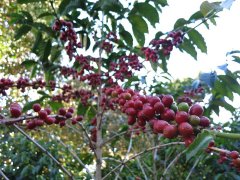
Manor Gesha Village Coffee Estate of Rosa Village, Suma Surma District, Ethiopia
Professional baristas follow the Coffee Workshop (Wechat official account cafe_style) located in the border area of Ethiopia and Kenya, there is a rose summer forest (Gesha Forest). The rose summer variety was discovered in 1931 and has been planted on Panamanian estates. Since 2004, this variety of rose has been invincible, elegant and unique in all major coffee bean competitions.

Ethiopia Kaffa Forest Lim | Tega & Tula Taiga and Tula Farm Sun G3 Flavor
Professional coffee knowledge exchange more coffee bean information please follow the coffee workshop (Wechat official account cafe_style) Ethiopia Kaffa forest Lim | Tega Tula Taiga and Tula farms the flavor of sun-cured beans? In Ethiopia, sun-dried beans are distinguished by adding 3 and 4 after the name (3 is of better quality). Coffee cherries are harvested with peel and pulp.

Production and processing of coffee beans
The geographical environment of Ethiopia is very suitable for coffee growth. Mocha coffee is mainly grown in the southern highlands between 1100 and 2300 meters above sea level. The main coffee producing areas are Harar, Limu, Djimma, Sidamo, Kaffa, Yergacheffe and Wellega.

Shanghai Coffee Exhibition Coffee Restaurant Guide to Shanghai Forest Cafe
Have a cup of spring tea in the forest. Spring is coming! The friends in the gray reinforced concrete city, have you ever thought of stretching your legs and changing the air in the green nature? Forest with mint green small fresh and elegant retro natural environment, like the breeze blowing, like a pool of still water sweeping over the heartstrings, people can not help but indulge in it. It doesn't matter if you have no vacation and no time.

Ethiopian Coffee producing areas distribute Ethiopian Coffee beans stories Ethiopian Coffee
Professional coffee knowledge exchange more information on coffee beans Please follow the coffee workshop (Wechat official account cafe_style) Coffee first discovered that the Kafa continent in southern Ethiopia was located in the place name Kaffa, and it was not officially named after Coffee until the 18th century. The geographical environment of Ethiopia is very suitable for coffee growth. nowadays, coffee is mainly grown between 1100 meters and 2000 meters above sea level.

Introduction to the Flavor of Colombian Matambo Forest Coffee Bean
Professional coffee knowledge exchange more coffee bean information please follow the coffee workshop (Wechat official account cafe_style) Gigante (Higante) today's protagonist, from the Gigante (Higante) area south of Huila, Colombia, 82 farmers grow coffee on this land, they all belong to the organization Cafeteros El Desarrollo, to